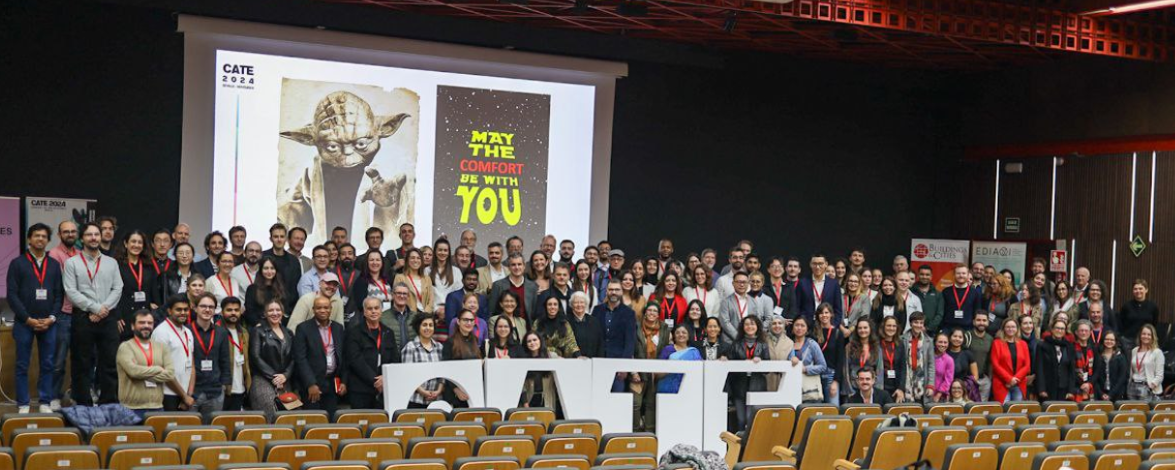
CATE 2024
-
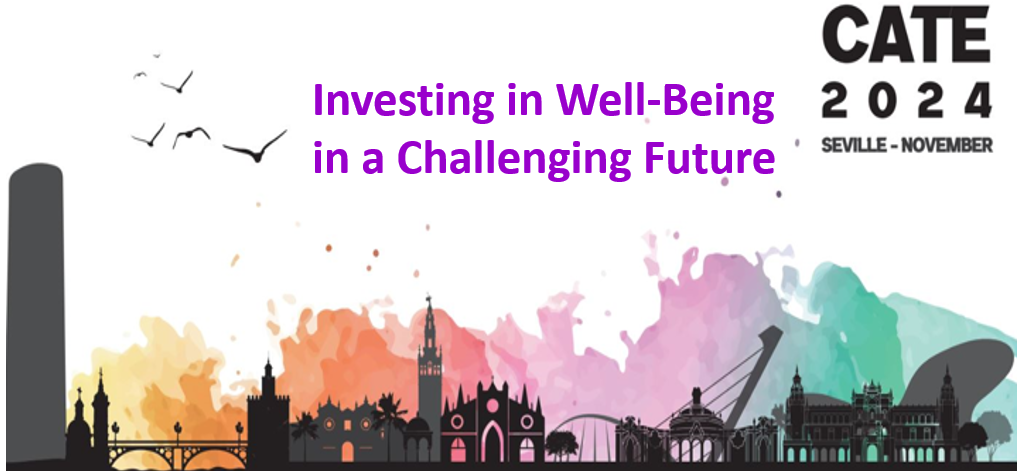
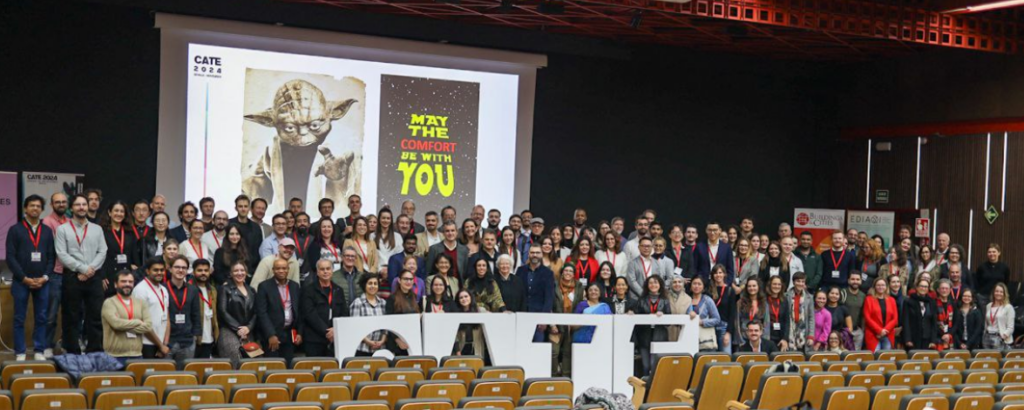
CATE 2024 in the brought more than 250 participants from around the world to Seville consolidating the role of the CATE conferences as the premier platform for innovation, science, and policy on issues around the role of thermal comfort in preparing the built environment for the challenges of a hotter future. 12 distinguished keynote speakers shared important insights into climate resilience, thermal environments and innovative building strategies and policies. The opening session featured distinguished government and academic figures who brought their own experiences and thinking on thermal comfort and resilience in the context of the climate crisis with contributions from:
Miss Susana Cayuelas Porras, Director of the Housing and Rehabilitation Agency of Andalusia.
Miss Juana Leal del Ojo, General Coordinator of European Funds, Urban Agenda, Sustainability, and Strategic Plans.
Miss Pilar Mercader Moyano, Director of the Institute of Architecture and Construction Sciences at the University of Seville.
Mr. Jon Switters, Senior Project Coordinator at the Lisbon Council.
Theses speakers all highlighted the need for a holistic approach to urban and architectural planning, integrating scientific research into practical implementation and policy development for climate-adapted cities and buildings. Reports of the impacts of the catastrophic flood two weeks earlier in the adjacent city of Valencia increased the urgency of their pleas for action.
The event was structured around plenary sessions with five specialized workshop streams, focusing on the most innovative strategies for climate adaptation and energy efficiency:
- Adapting to Heat – Enhancing Resilience and Sustainability in Indoor Environments
- Methods to mitigate the impact of extreme heat in indoor spaces.
- Coordinated Use of Fans and Air Conditioning
- Integrating fans and air conditioning to reduce energy consumption and enhance thermal comfort.
- How Can We Convert Scientific Research into Effective Policies on Indoor Air Quality?
- Challenges and strategies to translate scientific knowledge into effective indoor air quality regulations.
- Extreme Comfort & High Mass Buildings
- The role of high-mass buildings in regulating comfort in extreme climates.
- Human-Centric Buildings for a Changing Climate
- Designing spaces that prioritize human interaction with climate conditions.
Key Topics and Scientific Advances
The discussions and presentations covered a broad range of critical topics for comfort in extreme environments, including:
- Climate resilience in buildings and communities
- Ventilation and indoor air quality
- Natural light and its physiological impact under extreme conditions
- Climate-adaptive architecture and sustainable solutions
- Health and well-being in harsh environments
- Innovations in thermal comfort technology
- Emergency shelter planning and crisis response
- Social equity and energy poverty
- Carbon sequestration and storage in urban residential environments
- Educational strategies for climate resilience
- Policy frameworks for climate-responsive comfort, health, and well-being
CATE 2024 not only showcased the latest advancements in extreme comfort research but also served as a platform for interdisciplinary collaboration, connecting scientists, architects, urban planners, and policymakers in a shared effort to transform the way we design and manage built environments.
The success of CATE 2024 was made possible thanks to the generous support SPONSORS who played a key role in promoting innovation and excellence within the field including:
- Buildings & Cities Journal: Sponsored the award for the best papers, granting winners the opportunity to publish their research in its prestigious journal.
- Sulion: Recognized excellence in visual communication by awarding the best posters.
- VELUX, Arcadis, Daikin, and iGuzzini: Provided essential support to foster discussions on sustainable and climate-adaptive building strategies.
These collaborations highlight the growing commitment of industry leaders to fostering cutting-edge research and real-world applications in thermal comfort and climate resilience.
CATE 2024 was a resounding success, marking a turning point in applied research on comfort in extreme environments and laying the foundation for future regulations and sustainable design strategies, and genuinely innovative solutions in the cities and buildings of the future. For more information and to download the book of Abstracts and the Proceedings of CATE 2024 visit: www.cate2024.org
Windsor Conferences
Papers from previous conference are available in downloadable pdf form on the Windsor Conference site
- Adapting to Heat – Enhancing Resilience and Sustainability in Indoor Environments